
Cold Weather Tree Care: What to Do Now vs. What to Wait Until Spring
Sort through winter tree care tasks, from checking damaged limbs to planning work that can wait until spring.
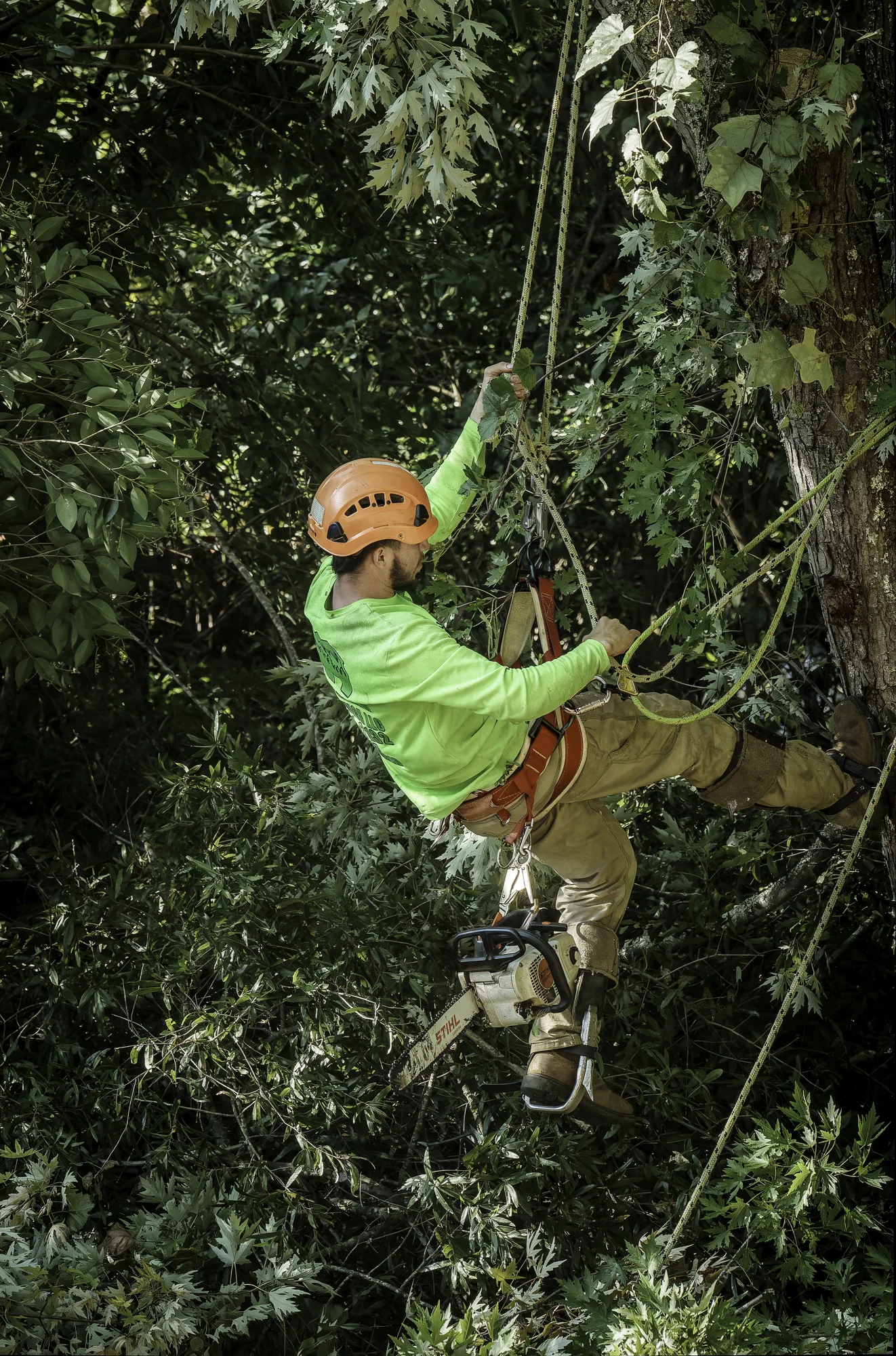
Cold weather can make it difficult to know what your trees actually need and what should wait until spring. While growth slows during winter, this season plays an important role in identifying risks, preventing damage, and setting trees up for healthier growth later on.
Why Winter Tree Care Matters in North Carolina
In North Carolina, winter brings fluctuating temperatures, occasional ice, and dry conditions that can stress trees even while they appear inactive. These shifts can weaken branches, affect root stability, and expose existing structural issues that may not be obvious during warmer months.
Because trees are dormant, winter is an ideal time to focus on safety and evaluation rather than growth. Identifying potential problems early helps reduce the risk of limb failure, property damage, and more serious issues once spring growth adds weight and stress to already compromised trees.
How Trees Respond to Cold Weather
As temperatures drop, trees enter a dormant state that slows growth and conserves energy. Leaves fall, sap movement decreases, and internal processes shift to help the tree survive colder conditions. While this dormancy reduces visible activity, it does not mean trees are unaffected by their environment.
Cold weather can still place stress on trees through wind exposure, dry soil, and rapid temperature changes. Freeze-thaw cycles may cause wood to expand and contract, increasing the risk of cracks or weakened branch attachments. Because trees are leafless in winter, these structural changes are often easier to spot, making this season an important time for careful observation and assessment.
Tree Care Tasks That Make Sense Right Now
Even in cold weather, there are several important tree care actions that homeowners can safely take or have evaluated by a professional:
- Inspect tree structure while leafless
With leaves gone, it’s easier to spot cracks, dead limbs, and weak branch attachments that could pose a hazard. - Remove dead or hazardous limbs
Limbs that are clearly dead, split, or hanging should be removed to prevent damage to property or other trees. - Limited pruning for safety and structure
Focus on removing problem branches rather than heavy shaping or aesthetic cuts, which should wait until spring. - Monitor storm or ice damage
Check for cracks, leaning limbs, or branches that could be stressed from winter storms. Early detection reduces risk of failure. - Clear immediate risks near homes or driveways
Branches or trees that threaten structures or foot traffic should be addressed promptly, even in winter.
Tree Care Tasks Best Left Until Spring
Not all tree work is safe or effective during cold weather. Some tasks are better postponed until the growing season to avoid stressing the tree or causing unintended damage.
- Major canopy shaping and aesthetic pruning
Cuts that are primarily for appearance can encourage new growth too early, which may be damaged by lingering cold. - Planting or transplanting trees
Soil may still be too cold or frozen, which can prevent roots from establishing properly. - Fertilization and non-essential treatments
Applying fertilizer or other chemical treatments during dormancy is usually ineffective and can harm stressed trees.
By waiting for milder temperatures, homeowners ensure that these tasks are more effective and reduce the risk of winter-related stress.
Winter Watering: Why Trees Still Need Moisture
Even during dormancy, trees can suffer from winter drought, especially when temperatures are cold but the ground isn’t frozen. Dry soil and wind can dehydrate roots, leaving trees more vulnerable to stress and damage.
Homeowners should water trees during warm spells when the soil is above 40°F. Focus on deep, slow watering around the root zone rather than frequent shallow watering. Avoid watering when the soil is frozen, as this can create ice damage and prevent proper absorption. Consistent moisture in winter helps trees maintain health and prepares them for a stronger spring growth season.
Mulching for Winter Root Protection
Mulch plays an important role in protecting tree roots during cold weather by helping regulate soil temperature and retain moisture. It acts as insulation, reducing the impact of freeze-thaw cycles that can stress roots and loosen soil around the base of a tree.
Apply mulch in a wide, even layer around the root zone, typically two to four inches deep. Keep mulch a few inches away from the trunk to prevent moisture buildup and decay. Proper mulching during winter helps stabilize soil conditions and supports healthier root systems as trees transition into spring.
Identifying Winter Damage That Requires Professional Attention
Some types of winter damage are not always easy to evaluate without experience, but there are clear warning signs homeowners should not ignore. Cold temperatures, ice, and wind can weaken trees in ways that increase the risk of failure later on.
Watch for the following issues after winter weather events:
- Cracks or splits in the trunk that may indicate internal structural damage
- Limbs that appear split, hanging, or weighed down from ice or snow
- Trees that have developed a new or worsening lean
- Soil lifting, cracking, or separation near the base of the tree
- Trees located close to homes, driveways, or utility lines, where failure poses a higher risk
If any of these conditions are present, a tree professional can assess the situation and recommend appropriate next steps to reduce safety concerns.
Mistakes to Avoid During Cold Weather Tree Care
Well-intended tree care during winter can sometimes do more harm than good. Avoiding common mistakes helps prevent unnecessary stress and long-term damage.
- Over-pruning during cold weather
Excessive pruning can weaken trees and make them more vulnerable to cold injury and disease. - Pruning when wood is brittle
Extremely cold temperatures can cause branches to crack or split unpredictably during cutting. - Watering frozen soil
Water applied when the ground is frozen cannot be absorbed properly and may contribute to ice damage. - Using salt or de-icers near tree roots
These products can damage roots, dry out soil, and lead to decline once trees exit dormancy.
Being cautious during winter ensures trees are protected rather than stressed before spring growth begins.
How Late-Winter Tree Care Sets the Stage for a Healthier Spring
Late winter is a valuable time to prepare trees for the demands of the growing season. Taking proactive steps during this period helps reduce stress and prevent problems before new growth begins, including:
- Identifying structural weaknesses early
- Addressing safety concerns before spring storms
- Maintaining consistent soil moisture and root stability
By evaluating trees ahead of time, homeowners can avoid emergency situations later in the year and support stronger, more balanced growth in spring. This approach also allows time to plan appropriate pruning or maintenance once conditions are ideal.
Making Smart Tree Care Decisions During Cold Weather
Cold weather tree care is less about doing more and more about doing the right things at the right time. By focusing on safety, monitoring winter damage, and avoiding unnecessary stress, homeowners can protect their trees and their property. Thoughtful evaluation during winter helps ensure healthier growth, fewer surprises, and better outcomes once spring arrives.
Frequently Asked Questions About Cold Weather Tree Care
How do you assess storm or winter damage on trees?
Assessing damage involves checking for broken or hanging limbs, cracks in the trunk, soil movement near the base, and changes in the tree’s lean or stability. Winter is a good time to spot these issues because trees are leafless and structural problems are easier to see.
How can you tell if a tree is damaged after cold weather?
Common signs include split branches, visible trunk cracks, limbs weighed down by ice, and soil lifting around the roots. Some damage may not appear immediately and can become more noticeable as temperatures fluctuate.
Is it safe to prune trees during winter?
Limited pruning for safety or removal of dead and hazardous limbs is generally appropriate during winter. Heavy pruning or shaping should usually wait until spring to avoid stressing the tree or encouraging early growth.
Do trees need to be watered during winter?
Yes, trees can still suffer from drought stress in winter. Watering during warm spells, when the soil is not frozen, helps maintain root health and supports stronger growth in spring.
Can winter damage cause problems later in the year?
Yes, hidden damage from cold, ice, or wind can lead to branch failure or decline months later. That’s why early evaluation is important, even if the tree looks stable at first.
Should leaning trees be evaluated during winter?
A new or worsening lean can indicate root or soil instability and should not be ignored. Winter conditions can make these issues worse, especially during storms or heavy rainfall.
When should a tree professional be consulted in winter?
Professional evaluation is recommended if there are large cracks, hanging limbs, root movement, or if the tree poses a risk to structures, driveways, or utilities.